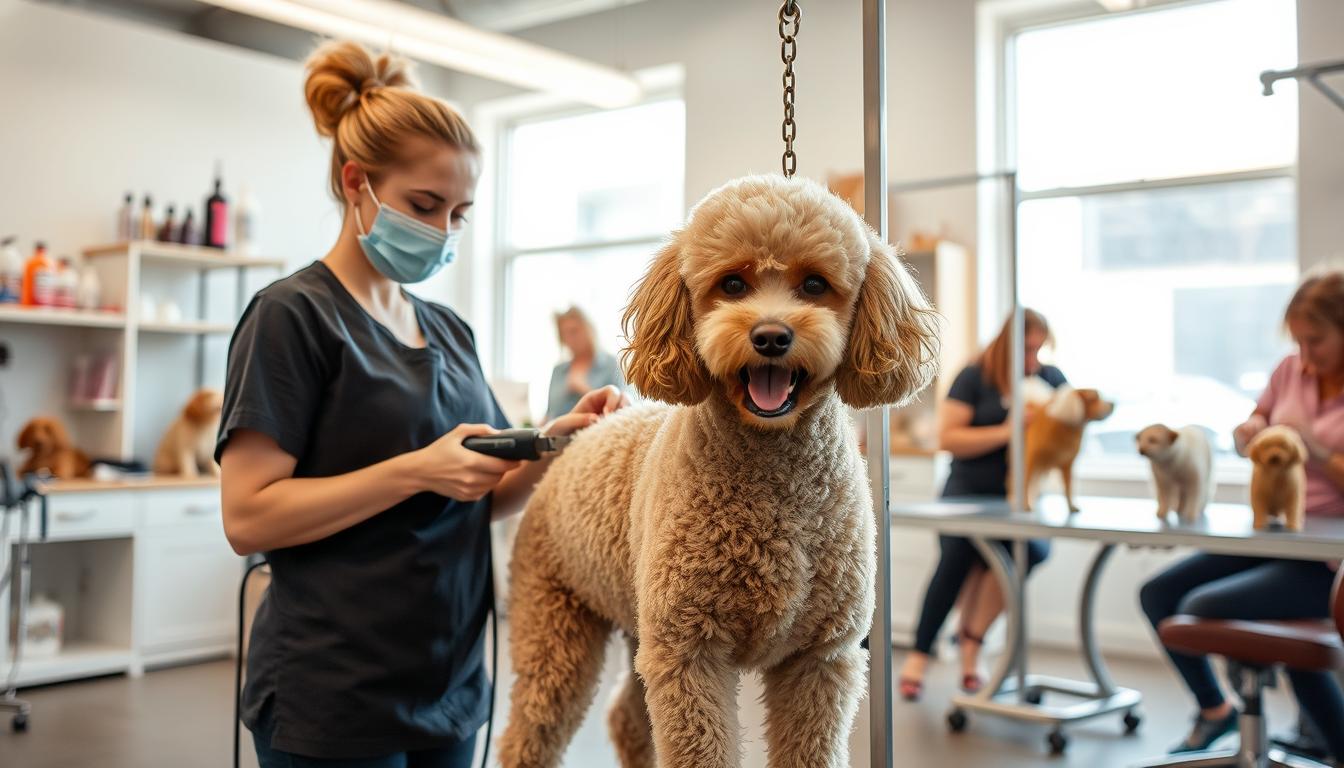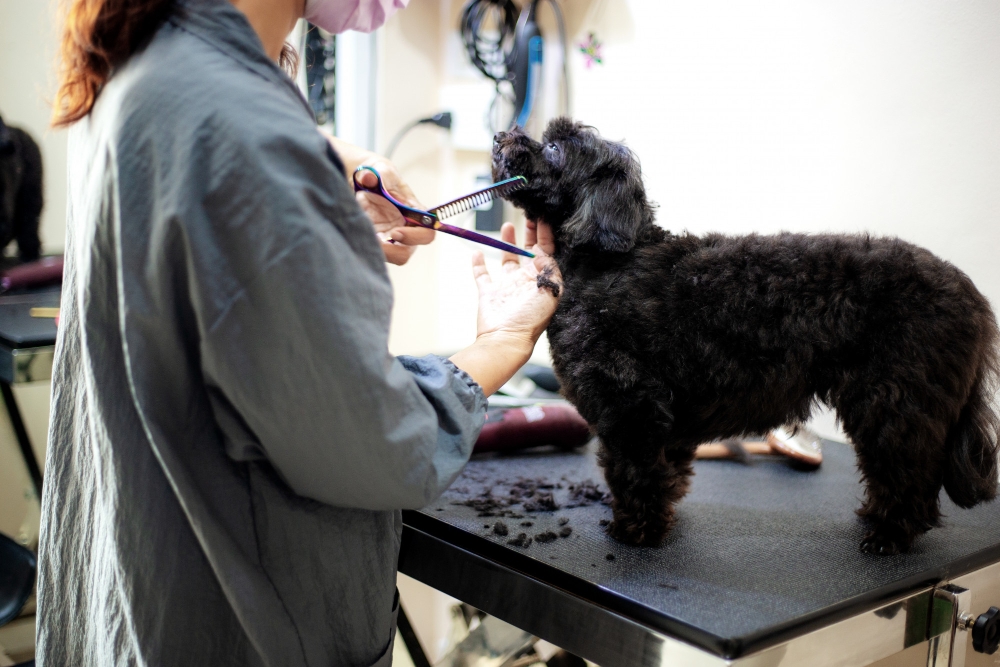
Dog Grooming Add-Ons Explained: What Your Dog Needs Beyond a Bath

Most dog owners book a grooming appointment with one goal: a clean, fresh-smelling dog. A good bath and haircut go a long way, but they don't solve everything. Tight mats hiding under a fluffy coat, waxy ears, a sudden scratching habit, or breath that clears the room all need a little extra attention.

That's where grooming add-ons come in. In this guide, we explain the four add-ons Fort Worth dog owners ask us about most: dematting, ear cleaning, flea and tick treatment, and teeth brushing. You'll learn what each one is, the signs your dog may need it, and when a vet visit is the better choice.

What Is a Grooming Add-On?

A grooming add-on is an extra service added to your dog's regular appointment. Instead of booking separate visits, you combine them into one session. Some add-ons are part of a full grooming service, and others can be added to a simple bath and brush when your dog needs them.

With mobile grooming, this is even easier. Everything happens in one visit at your home, so your dog doesn't need several trips to a salon.

1. Dog Dematting: For Tangled or Matted Coats

Mats form when loose hair tangles with the rest of the coat and tightens over time. They often start small and hidden, then grow until they pull on your dog's skin with every step.

Signs your dog may need dematting:

  • Hard clumps or lumps you can feel in the fur

  • Tangles behind the ears, under the legs, or around the collar

  • Your dog pulls away or yelps when you brush certain spots

  • The coat looks fluffy on top but feels knotted underneath

Dogs that mat most often have long, curly, or dense coats. This includes doodles, poodles, shih tzus, bichons, Maltese, and cocker spaniels. Dogs that swim, wear a harness every day, or go long stretches between grooms are also at higher risk.

Please don't cut mats out with scissors at home. Mats pull the skin up into the tangle, so it's very easy to cut the skin by accident. This is one of the most common grooming injuries we hear about.

A groomer checks how tight each mat is before deciding how to remove it. Loose tangles can often be brushed out gently. Mats that sit tight against the skin are usually kinder to clip than to brush for a long time. Learn more about our professional dog dematting and how we decide between brushing and clipping.

2. Dog Ear Cleaning: For Wax and Dirt Buildup

Some dogs rarely need their ears cleaned. Others build up wax and dirt quickly, especially dogs with floppy ears, lots of ear hair, or a love of swimming. Floppy ears get less airflow, which can trap moisture and debris.

Signs your dog may need ear cleaning:

  • Visible brown or yellow wax on the inside of the ear flap

  • Dirt or debris around the ear folds

  • Ears that look less clean than usual between grooms

  • Your dog swims often in pools or lakes

Routine ear cleaning is gentle. A groomer cleans the parts of the ear you can see and never pushes anything deep into the ear canal.

When to see a vet instead: Ear cleaning is not a treatment for infections or ear mites. Call your vet if you notice redness, swelling, a strong or bad smell, discharge, constant head shaking, or your dog crying when its ears are touched. Cleaning an infected ear without proper treatment can make it more painful.

If your dog's ears just need routine care, our mobile dog ear cleaning can be added to any grooming visit.

3. Flea & Tick Treatment: For Itchy, Scratching Dogs

Fleas and ticks are a real concern for Fort Worth dog owners. Our warm Texas weather means fleas can stay active for much of the year, not just in summer. Ticks are common in tall grass, parks, and wooded trails around DFW.

Signs your dog may have fleas or ticks:

  • Frequent scratching, biting, or chewing at the skin

  • Tiny black specks in the coat (this is "flea dirt")

  • Red, irritated skin or thinning fur from scratching

  • Small bumps attached to the skin after walks

A quick test for flea dirt: Place a few of the black specks on a damp white paper towel. If they turn reddish-brown, they are flea dirt, and your dog likely has fleas.

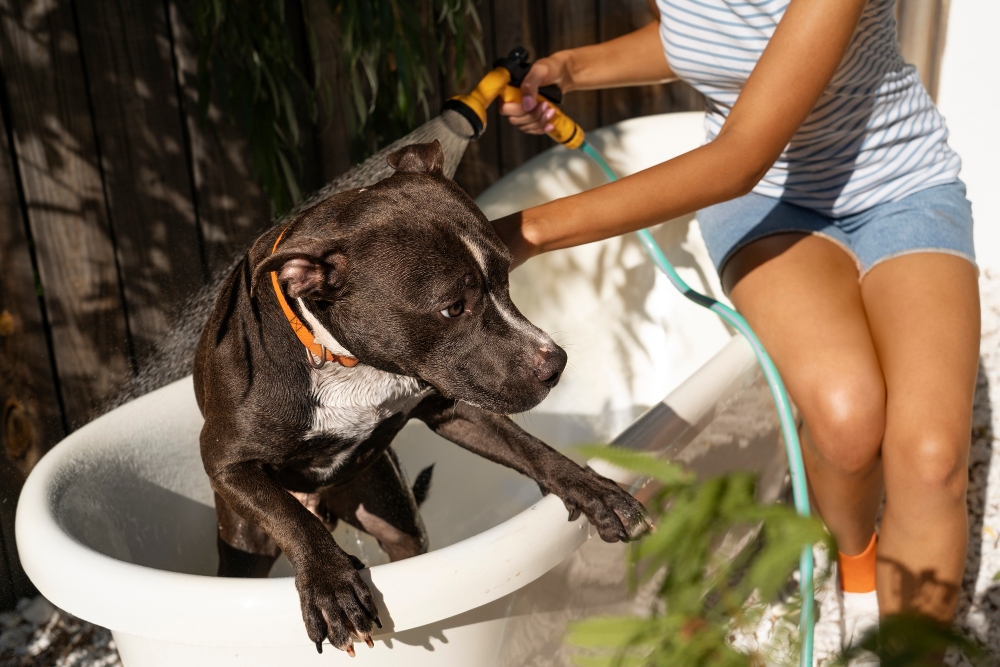
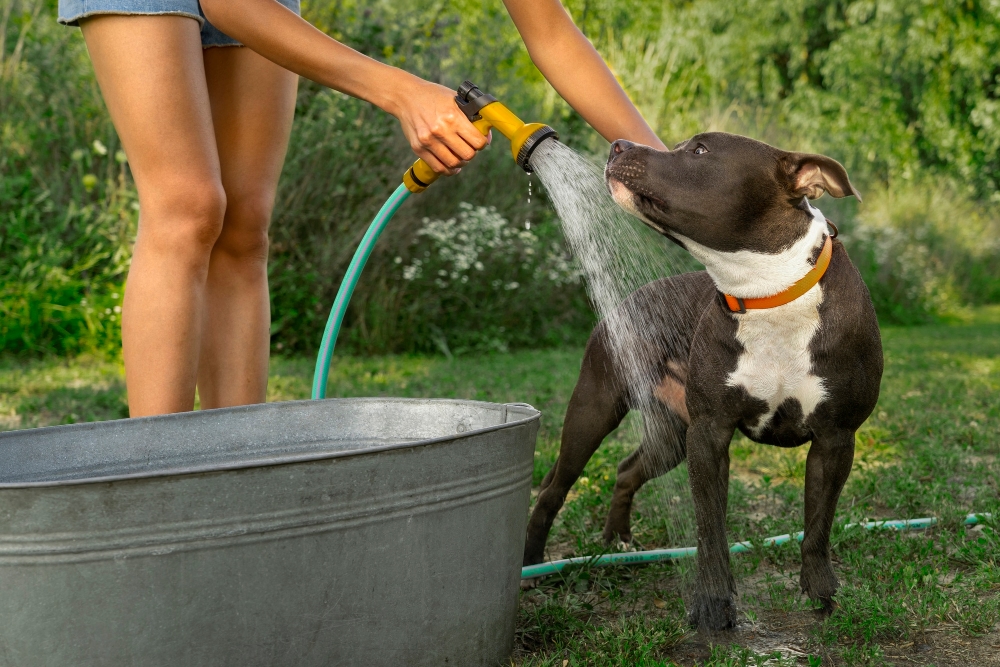
A flea and tick bath uses suitable shampoo, careful combing, and a close check of the coat. It removes fleas and flea dirt from your dog and gives the groomer a chance to find and remove visible ticks.

One important thing many owners don't know: most of a flea problem lives in your home, not on your dog. Flea eggs and larvae hide in bedding, carpets, and furniture. After your dog is treated, wash all pet bedding in hot water, vacuum carpets and sofas, and check any other pets in the house. For ongoing protection, ask your vet about a monthly flea and tick preventive.

If your dog seems weak, has open sores, or acts sick after a tick bite, see your vet first. Otherwise, our mobile flea and tick treatment can help you get your dog's coat clean and comfortable again.

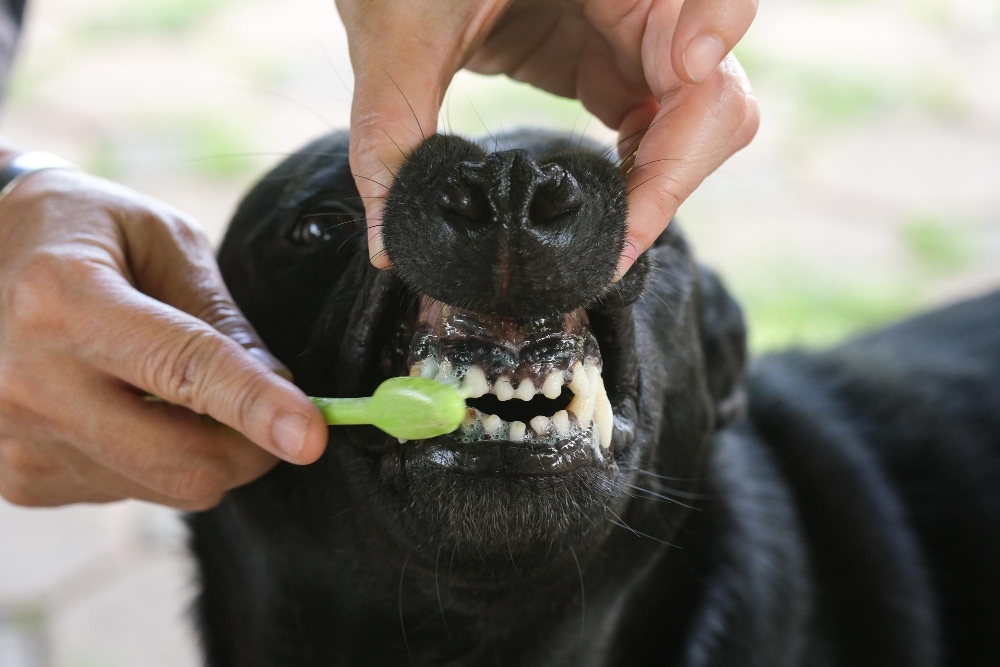
4. Teeth Brushing: For Bad Breath and Everyday Oral Care

Most people don't brush their dog's teeth as often as they'd like. Many dogs resist it, and it can feel like a struggle. Yet brushing is one of the simplest ways to keep your dog's breath fresher and support healthy teeth.

Signs your dog may benefit from teeth brushing:

  • Bad breath

  • Yellow or brown buildup on the teeth

  • Food stuck around the gum line

  • You find brushing at home difficult

Never use human toothpaste on dogs. Some human toothpastes contain xylitol, which is toxic to dogs. Dogs also swallow toothpaste instead of spitting it out. Always use a toothpaste made for dogs. Many come in flavors dogs actually enjoy, like chicken or peanut butter.

It's also important to know what grooming brushing is and isn't. A groomer brushes the teeth your dog allows them to reach, using dog-safe products. This supports routine oral care, but it is not a veterinary dental cleaning. It doesn't include scaling under the gums, X-rays, or treatment.

See your vet if you notice: bleeding or red gums, loose or broken teeth, swelling in the face, trouble chewing, or bad breath that doesn't improve.

For routine care between vet checkups, our dog teeth brushing add-on is a simple way to keep your dog's mouth fresher.

How Often Does Your Dog Need Each Add-On?

Every dog is different, but here is a general guide:

  • Dematting: Only when mats form. Most curly-coated dogs do best with a groom every 4–6 weeks and brushing at home a few times a week, which prevents most mats.

  • Ear cleaning: Check ears weekly. Some dogs need cleaning at every groom, while others rarely need it. Cleaning healthy ears too often can cause irritation.

  • Flea & tick treatment: When you find fleas or ticks. Check your dog's coat weekly, especially after walks, and ask your vet about year-round prevention.

  • Teeth brushing: Daily brushing at home is ideal if your dog allows it. Adding brushing to each grooming visit is a helpful extra step.

Can You Combine Add-Ons in One Mobile Visit?

Yes, and this is one of the biggest benefits of mobile grooming. Instead of several salon trips, your dog can get a bath, dematting, ear cleaning, and teeth brushing in one relaxed session right outside your home. Your dog stays close to familiar surroundings, and you don't need to drive anywhere or sit in a waiting room.

When you book your appointment, just tell us what you've noticed about your dog's coat, ears, skin, or breath. We'll help you choose the right combination.

Frequently Asked Questions

Are grooming add-ons included in a full groom?

Some are. Ear cleaning, for example, is often part of a full groom. Others, like dematting or flea treatment, depend on your dog's condition. Ask when booking, and we'll explain what's included.

Which add-on matters most for puppies?

For puppies, the most valuable thing is getting them used to having their paws, ears, and mouth handled. Gentle ear checks and short teeth brushing sessions early on make grooming much easier for the rest of their life.

Can my dog get all four add-ons in one visit?

Yes, if your dog is comfortable. For nervous dogs, we may suggest spreading services over two visits so grooming stays a positive experience.

Are grooming add-ons safe for senior dogs?

Yes, with extra care. Senior dogs may need shorter sessions, gentler handling, and more breaks. Let us know about any health issues, like arthritis or heart problems, before the appointment.

Let Us Check What Your Dog Needs

Not every dog needs every add-on, and we'll never push services your dog doesn't need. During your visit, our groomer will check your dog's coat, ears, skin, and teeth, then recommend only what will help.

Chewbarka Grooming brings professional mobile grooming to your door across Fort Worth and the DFW area. Book your mobile grooming visit today, or call us at (817) 396-7433.
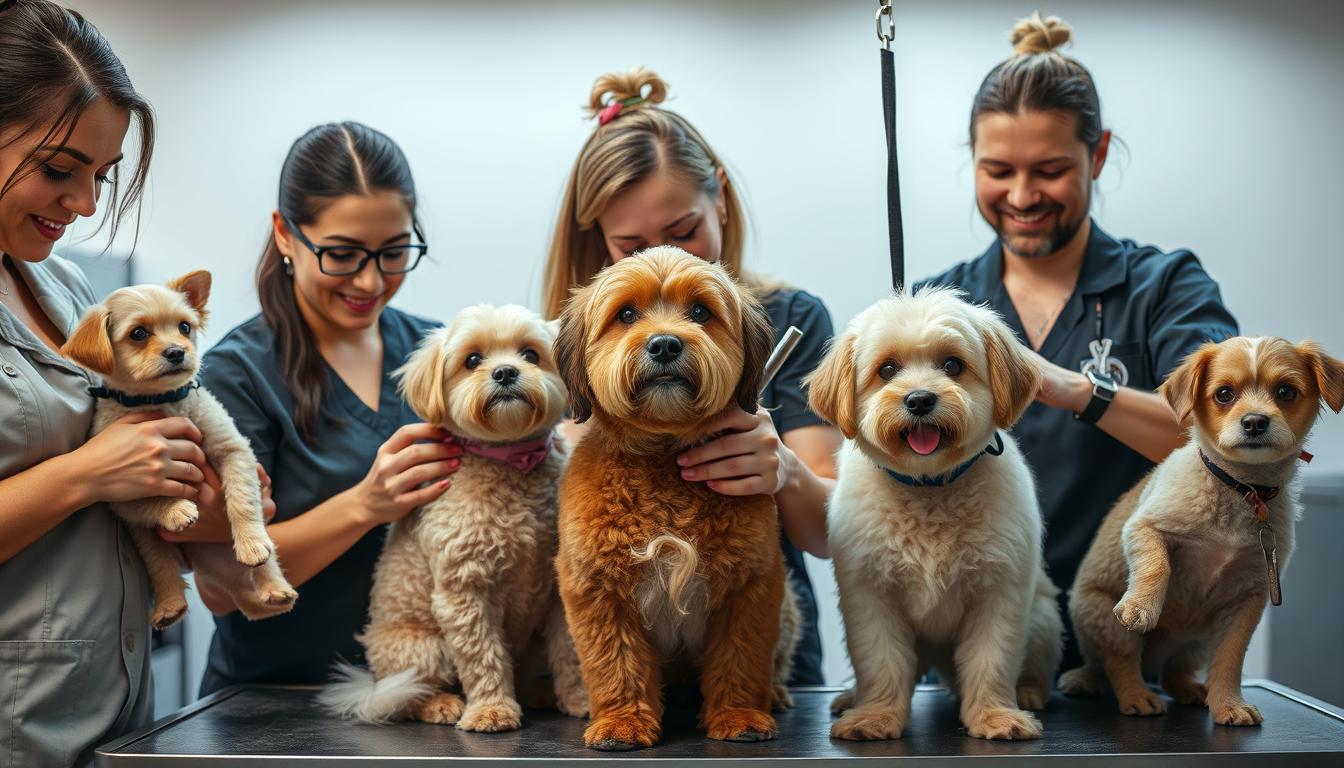
A Cut Above: What Makes Pet Groomers in Fort Worth Texas Stand Out

Are you wondering what makes the best pet groomers stand out in Fort Worth, Texas?

Fort Worth, Texas, is filled with skilled professionals for pets and their owners. We'll look into what makes these groomers special. And how to find the best one for your pet.

pet groomers in fort worth Texas, pet grooming fort worth TX

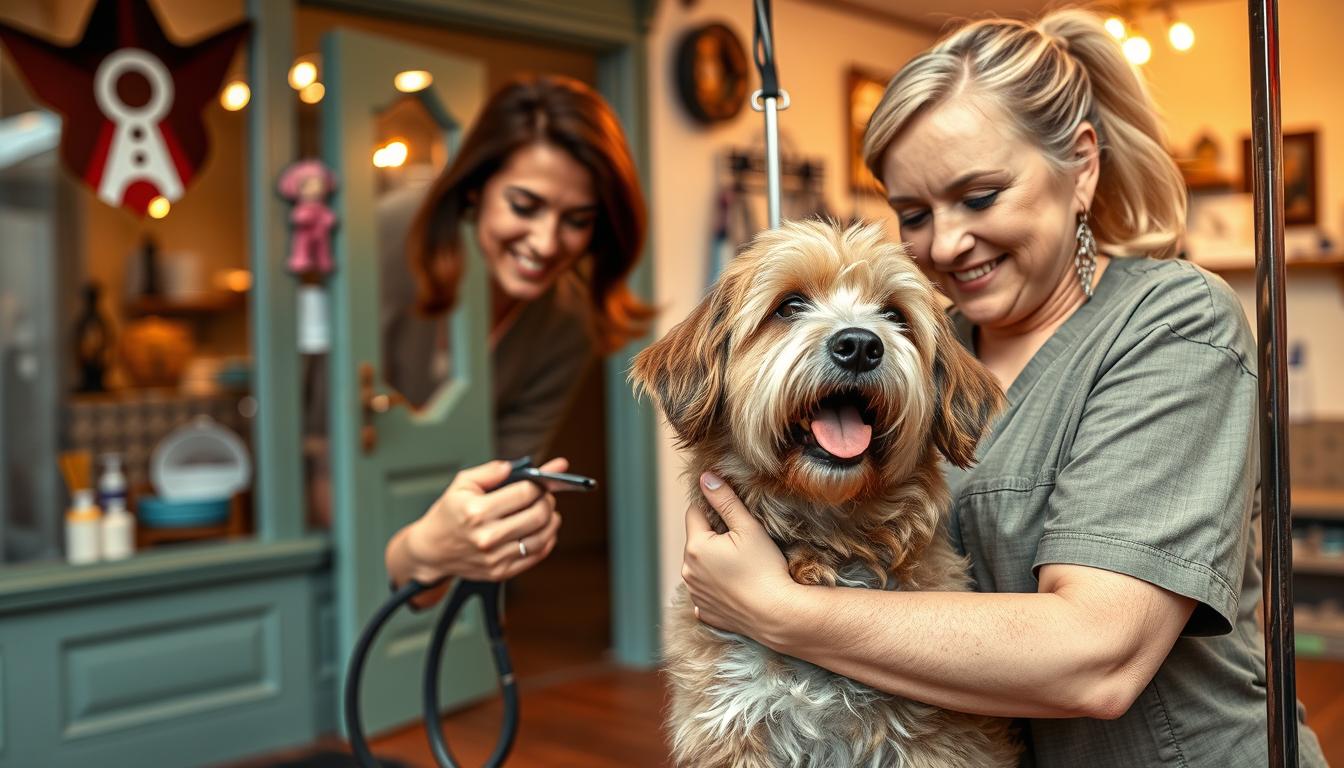
With more pet grooming services available, owners have many choices. A great groomer creates a safe, friendly space. Here, your pet can relax and feel at ease.

Key Takeaways

  • Fort Worth is home to a diverse range of talented pet groomers.
  • The best groomers offer unique services and experiences.
  • A good groomer provides a safe and welcoming environment.
  • Pet owners have a wide range of grooming services to choose from.
  • Choosing the right groomer is crucial for your pet's comfort and well-being.

Essential Qualities of Top-Tier Pet Groomers in Fort Worth Texas

The best pet groomers in Fort Worth, Texas, have certain qualities that make them stand out. They know that every pet is different and needs a grooming plan just for them.

Professional Training and Certification

Top pet groomers get a lot of training and have certifications. This training helps them work with all kinds of pets. Certifications from groups like the National Dog Groomers Association of America show they're experts.

Specialized Equipment and Premium Products

Elite groomers use specialized equipment and premium products for pets. They choose the best shampoos, conditioners, and tools for each pet. This makes pets look and feel great during grooming.

Compassionate Handling and Pet-First Approach

A compassionate handling and pet-first approach are key in grooming. Groomers who care about pets make grooming a positive experience. They understand pets, are gentle, and make sure pets feel safe and loved.

Top-tier pet groomers focus on a few important things:

  • They create grooming plans just for each pet.
  • They use safe, high-quality products for pets.
  • They keep their grooming areas clean and hygienic.
professional pet groomers

By having professional training, the right equipment, and caring for pets, top pet groomers in Fort Worth, Texas, offer a great grooming experience. Whether you need dog grooming services or a cat grooming salon, choosing a groomer with these qualities means your pet will get the best care.

Signature Services That Distinguish Elite Pet Grooming Fort Worth TX Providers

Elite pet groomers in Fort Worth, TX, stand out with unique services. They cater to different pets, ensuring top-notch care.

What sets them apart is their breed-specific grooming techniques. They know each breed's coat and health needs. This way, pets look great and stay healthy.

Breed-Specific Grooming Techniques

Breed-specific grooming is more than looks. It's about meeting a pet's coat and health needs. For example, some breeds need regular trims to avoid matting.

Fort Worth's best groomers are trained to meet these needs. They offer special cuts for Poodles or Shih Tzus. They also use specific shampoos for pets with sensitive skin.

Therapeutic and Health-Focused Treatments

Many elite groomers in Fort Worth also offer therapeutic and health-focused treatments. These services help pets with skin issues, allergies, and more.

They might use medicated baths or oatmeal shampoos. These treatments improve pets' health and comfort, making grooming more than just a look.

Pet Grooming Fort Worth TX

Custom Styling and Creative Grooming Options

For a unique look, many groomers in Fort Worth offer custom styling and creative grooming options. This includes creative cuts, colors, and special styling for events.

These services let pets stand out and bond with their owners. Whether for a pet show or a fun day, custom styling celebrates a pet's uniqueness.

How to Identify Quality Grooming Facilities in Fort Worth

Choosing the right grooming facility for your pet is key. We look for certain signs when picking local pet groomers.

Cleanliness and Safety Standards

A clean facility is vital for your pet's health. Look for strict hygiene standards and safety measures. This means clean spaces, safe tools, and a tidy environment.

Watch how staff handle pets and tools. They should follow clean and safe practices.

Customer Service Excellence

Good customer service is important too. The staff should be friendly, knowledgeable, and ready to help. They should care for both pets and their owners.

It's great when groomers understand each pet's needs. They offer services that fit those needs perfectly.

Before and After Showcases

Looking at before and after photos is helpful. It shows a groomer's skill and style. This helps you decide if they're right for your pet.

Ask to see their work or check online reviews. This gives you a glimpse of their expertise and service quality.

FAQ

Q: What makes a pet groomer in Fort Worth, Texas, stand out from the rest?

A: Our pet groomers are trained professionals with specialized equipment. They have the skills to handle all kinds of pets. Their caring approach makes them stand out.

Q: What services do elite pet groomers in Fort Worth, TX, typically offer?

A: Elite groomers in Fort Worth offer special grooming for different breeds. They also provide health treatments and custom styles. These services meet the unique needs of pets and their owners.

Q: How can I identify a quality grooming facility in Fort Worth?

A: Look for cleanliness and safety in a grooming facility. Good customer service is key. Also, check their before and after photos to see their work.

Q: Do pet groomers in Fort Worth, Texas, offer mobile pet grooming services?

A: Yes, many groomers in Fort Worth offer mobile services. They come to you, making grooming convenient.

Q: How can I find affordable pet grooming services in Fort Worth?

A: To find affordable grooming, research local groomers and compare prices. Look for deals or discounts. Some offer special packages or loyalty programs.

Q: What should I expect during my pet's first grooming session?

A: At your pet's first session, expect a thorough assessment. Our groomers will discuss your preferences. They'll create a grooming plan just for your pet.

Conclusion: Choosing the Right Groomer for Your Beloved Pet

Finding the right pet groomer in Fort Worth, Texas, is key for your pet's happiness and health. Top groomers have the right training, equipment, and care for pets.

At Chewbarka Grooming, we offer top-notch grooming services in Fort Worth, Texas. Our team is ready to give your pet a safe and welcoming place. To book an appointment, call (817)396-7433 or email [email protected] a skilled groomer like Chewbarka Grooming means your pet is in great hands. We're excited to pamper you and your pet.

Top 5 Dog Grooming Mistakes Owners Make at Home (Part 2: Don't Let These Slip!)

Think you're covering all the bases when grooming your dog at home? Even the most dedicated pet parents can overlook critical details that impact their dog's well-being. In this continuation of our series, we're exposing 5 additional dog grooming mistakes that might be slipping under your radar. By recognizing and addressing these common errors, you'll enhance your dog's health and happiness and strengthen the bond you share. Let's jump right in!

Forgetting to Check for Parasites

Why It's a Mistake: Failing to inspect your dog for fleas, ticks, and other parasites can lead to infestations affecting your pet and your home. Parasites cause itching and allergic reactions and can transmit serious diseases.

How to Fix It: Make it a habit to thoroughly examine your dog's skin and coat during dog grooming sessions. Look for signs like flea dirt, actual fleas, or ticks attached to the skin. Use veterinarian-recommended preventive treatments regularly.

Pro Tip: Pay special attention to areas where parasites commonly hide—behind the ears, under the collar, in the armpits, and between the toes.

PARSSITES

Overlooking Anal Gland Care

Why It's a Mistake: Dogs have anal glands that can become impacted if not expressed regularly, leading to discomfort, scooting behavior, and even infections.

How to Fix It: While many owners are uncomfortable performing this task, it's important to have your dog's anal glands checked and expressed by a professional groomer or veterinarian as needed.

Pro Tip: Signs of anal gland issues include excessive licking of the area, scooting, or a foul odor. Pay attention to these signs; consult your vet promptly.

Neglecting Dental Care

Why It's a Mistake: Poor dental hygiene can lead to tartar buildup, gum disease, and tooth loss. Bad breath is just the tip of the iceberg; bacteria from dental issues can enter the bloodstream, affecting your dog's overall health.

How to Fix It: Brush your dog's teeth at least two to three times a week using a dog-specific toothbrush and toothpaste. Human toothpaste contains xylitol, which is toxic to dogs. Dental chews and toys can also help reduce plaque and tartar.

Pro Tip: Introduce tooth brushing gradually. Let your dog taste the toothpaste first, then slowly get used to the sensation of brushing.

Clipping Whiskers and Eyebrows

Why It's a Mistake: Whiskers and eyebrows are essential sensory tools that help your dog navigate their environment. Removing them can cause disorientation and stress.

How to Fix It: Avoid cutting your dog's whiskers and eyebrows unless it's necessary for medical reasons or specific breed grooming standards, and even then, it should be done by a professional.

Pro Tip: When trimming around the face, use blunt-tipped scissors and proceed with extreme caution to avoid accidental injuries.

Pad Care

Ignoring Paw and Pad Care

Why It's a Mistake: The pads of your dog's feet can crack or become irritated without proper care. Long hair between the pads can collect debris, leading to discomfort or infection.

How to Fix It: Regularly check your dog's paws for cuts, foreign objects, or signs of irritation. Carefully trim the hair between the pads using blunt-nosed scissors.

Pro Tip: Use paw balm to keep pads moisturized, especially in extreme weather conditions like hot summers or icy winters.

Bonus Point: Bathing Too Often or Not Enough

Why It's a Mistake: Overbathing can strip your dog's skin of natural oils, leading to dryness and irritation. Underbathing can result in dirt buildup and unpleasant odors.

How to Fix It: Find the right balance based on your dog's breed, coat type, and lifestyle. Generally, bathing once a month is sufficient, but dogs that spend much time outdoors may need more frequent baths.

Pro Tip: Always use lukewarm water and gentle dog grooming shampoos to protect your dog's skin.

How can I make my dog more comfortable during grooming sessions?

Start slowly and make grooming a positive experience. Use treats and praise, and take breaks if your dog seems stressed. Consistency is key to building comfort over time.

Is professional grooming necessary if I groom my dog at home?

While home grooming covers basic needs, professional groomers offer services like full dog grooming, including expert haircuts, anal gland expression, and specialized care that you might not be comfortable doing yourself.

What tools should I have for at-home grooming?

Essential tools include a quality brush, dog-safe shampoo, nail clippers or grinder, ear cleaning solution, toothbrush and toothpaste, and blunt-nosed scissors for trimming.

Conclusion

Grooming is more than a luxury—it's crucial to your dog's health and happiness. You're on your way to becoming a pro at-home dog grooming by avoiding these common mistakes. Remember, each dog is unique, so tailor your grooming routine to suit your pet's needs.

And if you ever feel like you need professional help, Chewbarka Grooming is here to provide top-notch services for your beloved pet. Let us make grooming stress-free for both you and your dog!

10 Reasons Why Regular Grooming Is Essential for Your Dog's Health

We all adore our dogs—they're loyal companions, playmates, and family members. However, amidst the cuddles and playtime, it's easy to overlook the importance of regular grooming. Grooming goes beyond aesthetics; it plays a significant role in your dog's health. Whether a simple brush or a full dog grooming session, these routines can prevent health problems and keep your dog feeling its best.

1) Early Detection of Health Issues

Regular dog grooming sessions are perfect for checking your dog for unusual lumps, bumps, or skin issues. By routinely examining your pet, you can catch potential health problems early. Early detection is crucial for effective treatment, and grooming provides that first line of defense.

Tips for Early Detection:

  • Check for lumps and bumps during brushing.
  • Observe for any signs of redness, rashes, or skin irritations.
  • Look for changes in your dog's eyes, ears, and gums.
1750

2) Maintaining Healthy Skin and Coat

A well-groomed coat isn't just shiny—it's a sign of good health. Brushing your dog removes dead hair, dirt, and dandruff. It also helps distribute natural oils throughout the coat, keeping the skin moisturized and reducing the risk of skin irritations. Regular dog grooming ensures your pet's coat stays healthy and vibrant.

Benefits of Regular Brushing:

  • Removes dead skin and hair.
  • Prevents clogged hair follicles.
  • Keeps your dog's coat smooth and shiny.

3) Preventing Matting and Tangles

For dogs with longer hair, matting can be a serious issue. Mats are not only uncomfortable but can also lead to skin infections. Regular brushing prevents tangles and mats from forming, ensuring your dog stays comfortable and healthy. Plus, it saves you from the tedious task of dealing with stubborn knots later on.

How to Prevent Matting:

  • Brush your dog's coat at least a few times per week.
  • Use a detangling spray for stubborn knots.
  • Consider professional grooming for breeds prone to heavy matting.

4) Controlling Parasites Like Fleas and Ticks

During dog full grooming, you can check for fleas, ticks, and other parasites. These pests can cause severe discomfort and transmit diseases. Regular grooming and bathing remove parasites and allow for early detection so you can take prompt action to protect your dog.

Signs of Fleas and Ticks:

  • Excessive scratching or licking.
  • Small dark specks (flea dirt) in the fur.
  • Visible ticks on the skin.

5) Dental Health

While not always associated with dog grooming, dental care is a vital part of your dog's health. Regular brushing of your dog's teeth prevents tartar buildup, bad breath, and gum disease. Dental problems can lead to more severe health issues, so incorporating teeth cleaning into your grooming routine is essential.

Tips for Good Dental Health:

  • Use dog-friendly toothpaste and a soft-bristled toothbrush.
  • Start brushing your dog's teeth when they are young.
  • Provide dental treats that help reduce plaque.
2250015

6) Ear Care

Dogs are prone to ear infections, especially those with floppy ears. Regularly cleaning your dog's ears during dog full grooming sessions can prevent wax buildup and detect infections early. Healthy ears are less likely to harbor bacteria and yeast, keeping your dog comfortable and infection-free.

Steps for Cleaning Your Dog's Ears:

  1. Gently lift the ear flap.
  2. Wipe the ear with a cotton ball dampened with a vet-recommended ear cleaner.
  3. Avoid inserting anything into the ear canal.

7) Nail Trimming Prevents Pain and Posture Problems

Overgrown nails can cause your dog discomfort and lead to posture problems or even injuries. Regular nail trimming prevents the nails from curling into the paw pad or causing joint issues. Keeping your dog's nails at an appropriate length ensures they can walk and run without pain.

How to Trim Your Dog's Nails:

  • Use a nail trimmer designed for dogs.
  • Trim a small amount at a time to avoid cutting the quick.
  • Reward your dog with treats to create a positive experience.

8) Reducing Shedding

Regular dog grooming is the solution if you're tired of finding dog hair all over your home. Brushing your dog removes loose hair before it can fall off around the house. This keeps your home cleaner and helps prevent hairballs in dogs that groom themselves.

Benefits of Controlling Shedding:

  • Keeps your home clean and free of dog hair.
  • Reduces allergens for sensitive family members.
  • Promotes a cleaner and healthier coat.

9) Improving Blood Circulation

Grooming isn't just good for the coat; it can improve your dog's blood circulation. Brushing stimulates blood flow, promoting healthier skin and a shinier coat. This increased circulation can boost your dog's overall health and vitality.

Brushing Techniques for Better Circulation:

  • Use gentle, long strokes in the direction of hair growth.
  • Spend a few minutes massaging your dog's muscles during dog grooming.
  • Focus on all areas, including the back, legs, and belly.

10) Strengthening the Bond Between You and Your Dog

Spending time grooming your dog strengthens your emotional connection. It builds trust and helps your dog feel more comfortable with being handled. This bonding time can reduce stress for you and your pet, making future grooming sessions easier and more enjoyable.

Ways Dog Grooming Builds Bonding:

  • Creates a routine that your dog looks forward to.
  • Provides an opportunity for positive reinforcement.
  • Helps your dog feel safe and cared for.

The Risks of Skipping Regular Grooming

Neglecting regular grooming can lead to the following:

  • Skin Problems: Matted fur traps dirt and moisture, leading to infections and painful sores.
  • Parasites: Unkempt coats make it easier for fleas and ticks to thrive, putting your dog at risk of diseases.
  • Overgrown Nails: Long nails can grow into the paw pads, causing pain and mobility issues.
  • Dental Issues: Plaque can lead to gum disease and other health complications without brushing.
  • Discomfort: Mats pull on the skin, and overgrown fur can make moving and seeing difficult, lowering their quality of life.

Regular dog grooming ensures your dog stays comfortable, healthy, and happy.

How Often Should You Groom Your Dog?

How often you groom your dog depends on the breed, coat type, and lifestyle:

  • Brushing: Long-haired breeds need brushing daily, while short-haired breeds can be brushed once or twice a week.
  • Bathing: Most dogs should be bathed every 4-6 weeks, but this can vary based on activity level.
  • Nail Trimming: Trim nails every 3-4 weeks or as needed to prevent overgrowth.

Consult your groomer or vet to determine the best grooming schedule for your dog.

DIY Grooming vs. Professional Grooming

DIY Grooming

  • Pros: Cost-effective, convenient, builds trust with your dog.
  • Cons: It requires the right tools and knowledge but may only be effective for some breeds.

Professional Grooming

  • Pros: Groomers are trained to handle different coat types and health issues, ideal for complex grooming needs.
  • Cons: It can be more costly and requires regular appointments.

Professional grooming is often the better choice for dogs with thick coats or special grooming needs.

Essential Grooming Tools You Need

To effectively groom your dog at home, you'll need:

  • Brushes and Combs: Choose based on your dog's coat type.
  • Nail Clippers or Grinders: Keep nails trimmed to a healthy length.
  • Dog-Safe Shampoo and Conditioner: Ensure they are pH-balanced for dogs.
  • Ear Cleaner: Keep your dog's ears clean and infection-free.
  • Toothbrush and Toothpaste: Use products specifically made for dogs.

Having the right tools makes the grooming process smoother and more efficient.

Tips for Making Grooming a Positive Experience

  • Start Slow: Gradually introduce grooming when your dog is a puppy.
  • Use Treats: Reward your dog during and after grooming to make it enjoyable.
  • Stay Calm: Your dog can pick up on your energy—stay relaxed and positive.
  • Break Sessions Into Parts: If your dog gets anxious, break the grooming session into smaller, more manageable parts.

Regular dog grooming is more than just a way to keep your pet looking great—it's a critical part of responsible pet care that ensures your dog's health, comfort, and overall happiness. From early detection of health issues to preventing parasites, strengthening your bond, and improving your dog's quality of life, regular grooming brings numerous benefits that can't be ignored.

Make grooming a consistent part of your dog's routine to keep it feeling and looking its best. If you're looking for expert help, consider Chewbarka Grooming, where your pet will receive the highest level of care in a safe and loving environment. Don't wait until problems arise—give your furry friend the care they deserve today!

Top 5 Mistakes Owners Make When Grooming Their Dogs at Home (Part 1)

Grooming your dog at home can be an excellent way to show them love and care, but it's also easy to make mistakes that can lead to discomfort for your pet. Many dog owners unknowingly make common errors while grooming, so we've created this two-part series to help you avoid those pitfalls. In Part 1, we'll explore five of the most common dog grooming mistakes and show you how to turn grooming into a positive experience for you and your furry friend. Let's get started.

1) Skipping Regular Brushing

Why It's a Mistake: Neglecting to brush your dog regularly can lead to matted fur, skin irritations, and even infections. Mats can be painful, pulling on your dog's skin and causing discomfort.

How to Fix It: Make brushing a part of your routine. Depending on your dog's breed and coat type, this could be daily or a few times a week. Use a brush suitable for their fur—slicker brushes for long-haired breeds and bristle brushes for short-haired ones. Regular brushing keeps their coat shiny, reduces shedding, and distributes natural oils across their skin.

Pro Tip: Turn brushing into bonding time. Offer treats and praise to make it a positive experience your dog looks forward to.

Regular Brushing

2) Using Human Shampoo or Harsh Products

Why It's a Mistake: Dogs have a different skin pH level than humans. Using human shampoo can strip away essential oils, leading to dry skin and irritation. Harsh chemicals in some products can cause allergic reactions or worsen skin conditions.

How to Fix It: Invest in a high-quality dog shampoo that's gentle and formulated for your pet's specific needs. There are shampoos for sensitive skin, hypoallergenic options, and even ones that tackle fleas and ticks. Always read labels and avoid products with artificial fragrances or dyes.

Pro Tip: If you need help deciding which shampoo to choose, consult your veterinarian for recommendations tailored to your dog's skin type.

 Shampoo or Harsh Products

3) Neglecting Nail Trimming

Why It's a Mistake: Overgrown nails can cause discomfort, affect your dog's gait, and even lead to joint issues. Long nails are more prone to breaking or splitting, which can be painful and may require veterinary attention.

How to Fix It: Trim your dog's nails every 3-4 weeks. Use dog-specific nail clippers or grinders, and be cautious not to cut into the quick—the sensitive part of the nail that contains blood vessels and nerves.

Pro Tip: If you're nervous about trimming nails, ask your vet or a professional groomer to show you how. Alternatively, regular walks on hard surfaces can naturally wear down nails.

4) Ignoring Ear Care

Why It's a Mistake: Dogs' ears can harbor bacteria and yeast if not cleaned properly, leading to infections. Breeds with floppy ears or those that swim frequently are especially prone to ear issues.

How to Fix It: Check your dog's ears weekly for signs of redness, odor, or excessive wax. Clean them with a vet-approved ear cleaner and cotton balls—never use cotton swabs, as they can damage the ear canal.

Pro Tip: Make ear cleaning a calm and gentle process. To keep it positive, offer plenty of praise and perhaps a treat afterward.

5) Cutting Hair Incorrectly

Why It's a Mistake: Shaving a double-coated breed can lead to overheating and sunburn, as their coat regulates body temperature. Incorrect trimming can also result in uneven growth or damage to the coat.

How to Fix It: Research your dog's coat type before attempting trims. For complex grooming needs, consider seeking help from a professional. If you decide to do it yourself, use the right tools—sharp, clean scissors and clippers designed for dogs.

Pro Tip: Attend a dog grooming workshop or watch tutorials specific to your breed to learn proper techniques.

How often should I bathe my dog?

Generally, dogs should be bathed once a month, but it depends on their activity level and coat type. Overbathing can strip natural oils, so balance is key.

Can I use a hairdryer on my dog after a bath?

Yes, but use it on the lowest heat setting to prevent burns. Keep it moving to avoid focusing heat on one spot.

What if my dog hates grooming?

Start slowly and make each session positive with treats and praise. Patience is crucial. If problems persist, consult a professional trainer or veterinarian.

Conclusion

Grooming your dog at home doesn't have to be a daunting task. By avoiding these common mistakes and implementing proper techniques, you can ensure your furry friend stays healthy and happy. Remember, dog grooming is more than just keeping your pet looking good—it's essential to their overall well-being.

This was just the beginning! Stay tuned for Part 2, where we'll explore five more grooming mistakes dog owners often make and how to avoid them. Don't miss out on these important tips to keep your furry friend happy and healthy!

And if you ever feel like you need professional help, Chewbarka Grooming is here to provide top-notch services for your beloved pet. Let us make grooming stress-free for both you and your dog!

How to Prepare Your Dog for Their First Grooming Session

Preparing your dog for their first grooming session is essential to ensure a stress-free experience. This guide will walk you through everything you need to know, offering more detailed advice and practical tips than most resources.

Why Preparation Matters

Grooming is vital for your dog's health, but it can be a challenging experience for them. Proper preparation can ease anxiety and help your dog enjoy the process.

Get Your Dog Comfortable with Handling

  • Daily Handling Exercises: Start by regularly touching sensitive areas like paws, ears, and tails. This will help your dog get used to the sensation.
  • Desensitization: Gradually introduce grooming tools like brushes and clippers to reduce fear.

Practice Grooming Routines at Home

  • Brushing: Regularly brush your dog's coat to minimize shedding and matting. This keeps the coat healthy and helps the dog become accustomed to being groomed.
  • Bathing: Introduce your dog to baths in a calm and positive environment. Use gentle shampoos and make bath time fun with treats.

Train Your Dog to Stay Still

  • Basic Commands: Teach commands like "sit" and "stay" to smooth grooming sessions.
  • Positive Reinforcement: Reward your dog for staying calm during grooming activities to build a positive association.

Choose the Right Groomer

  • Research and Reviews: Look for experienced groomers, preferably those specializing in your dog's breed.
  • Meet and Greet: Schedule a visit to the grooming salon beforehand to help your dog familiarize himself with the environment.

Prepare for the First Grooming Appointment

  • Health Check: Ensure your dog is healthy before the session. Address any skin conditions or health issues with your vet.
  • Visit the Groomer Beforehand: A pre-appointment visit can help your dog get used to the salon's sights, sounds, and smells.

Addressing Specific Dog Needs

  • Anxious Dogs: Use calming techniques or consult your vet about anxiety-reducing products.
  • Puppies: Start grooming routines early to build a lifelong habit of positive grooming experiences.

Post-Grooming Care

  • Monitor Your Dog: Watch for any signs of stress or discomfort after grooming.
  • Reward Good Behavior: Provide treats or playtime to reinforce positive grooming experiences.

Conclusion

With the proper preparation, your dog's first grooming session can be a positive experience that sets the tone for future visits. Follow these steps to ensure a stress-free and enjoyable grooming routine for your furry friend.

How To Relieve Dog Itching After Grooming

Empowering Dog Owners with Understanding of Post-Grooming Itching in Dogs

Why Do Dogs Itch After Grooming?

Many dog owners experience itching after grooming. Several factors can contribute to this, ranging from mild skin irritation to severe allergic reactions. Dogs often itch due to residue from grooming products, the drying effect of shampoos, or minor cuts from trimming. Understanding these triggers is the first step in alleviating your dog's discomfort.

Common Symptoms of Post-Grooming Itching

Post-grooming itching can manifest in several ways, including excessive scratching, biting, or licking at the skin. You might notice redness, bumps, or even hair loss in certain areas. These symptoms show that your dog's skin is irritated and needs attention.

Understanding the Serious Risks of Ignoring the ItchingWhile occasional itching is normal, persistent scratching can lead to more severe problems, such as skin infections, hot spots, or open wounds. These conditions may require veterinary intervention and can be uncomfortable or even painful for your dog. It's important to address itching promptly to prevent these complications.

Identifying the Causes of Itching

Irritation from Grooming Products

Grooming products such as shampoos, conditioners, and sprays can sometimes irritate if they contain harsh chemicals or allergens. Even natural products can lead to discomfort if your dog has sensitive skin or specific allergies. This is why it's crucial to use dog-specific products, as they are formulated to be gentle on your dog's skin and less likely to cause allergic reactions.

Dry Skin Due to Over-Bathing

Overbathing your dog can strip the natural oils from their skin, leading to dryness and itching. This is especially true if you use shampoos not formulated for frequent use or for dogs with sensitive skin.

Allergic Reactions to Grooming Supplies

Dogs can have allergic reactions to various grooming supplies, including shampoos, conditioners, and even the materials used in grooming tools. Allergies may cause itching, redness, swelling, and discomfort that can last beyond the grooming session.

Immediate Steps to Relieve Itching

Rinse Off Residual Grooming Products

If your dog starts itching right after grooming, the first step is to rinse off any residual products thoroughly. Sometimes, simply not rinsing well enough can leave irritants on the skin that cause itching. Use lukewarm water and ensure all product residues are removed.

Apply a Soothing Oatmeal Bath

An oatmeal bath is a tried-and-true method to soothe irritated skin. Oatmeal contains anti-inflammatory properties that can relieve itching and calm the skin. To prepare an oatmeal bath, grind plain oats into a fine powder and mix it with warm water before bathing your dog.

Use Aloe Vera Gel for Instant Relief

Aloe vera gel can provide quick relief for itchy, irritated skin. It's a natural, soothing agent that can help cool the skin and reduce inflammation. Make sure to use a safe product for dogs without any added chemicals or fragrances. Aloe vera gel for dogs is specially formulated to be safe for your pet and can provide instant relief from itching.

Long-Term Solutions for Itch Prevention

Choosing Hypoallergenic Grooming Products

One of the most effective ways to prevent post-grooming itching is to use hypoallergenic grooming products. These products are formulated without harsh chemicals, artificial fragrances, or dyes that can irritate sensitive skin. Look for shampoos and conditioners for dogs with allergies or sensitive skin.

Regular Moisturizing with Dog-Safe Lotions

Keeping your dog's skin moisturized can significantly reduce the risk of itching. Dog-safe lotions and moisturizers help maintain the skin's natural barrier, preventing dryness that often leads to irritation. Apply these products regularly, especially after bathing, to lock in moisture.

Incorporating Omega-3 Fatty Acids in Diet

Omega-3 fatty acids are known for their anti-inflammatory properties and can improve skin health when included in your dog's diet. These nutrients help maintain the skin's moisture levels and reduce the likelihood of itching. You can find Omega-3s in fish oil supplements or certain dog foods.

When to Seek Veterinary Help

Signs That Itching Requires Medical Attention

While mild itching is often manageable at home, signs indicate it's time to seek veterinary help. These include persistent scratching that leads to bleeding, hot spots, excessive hair loss, or if your dog is uncomfortable. Veterinary attention is crucial to prevent more severe health issues.

Possible Prescription Treatments

If your dog's itching is severe or doesn't respond to home remedies, a veterinarian may prescribe treatments such as medicated shampoos, antihistamines, or corticosteroids. Sometimes, your vet may recommend allergy testing to identify specific triggers and create a tailored treatment plan.

Grooming Tips to Prevent Future Itching

Proper Drying Techniques

Proper drying is essential after grooming to prevent irritation. Moisture trapped in your dog's fur can lead to fungal or bacterial growth, which may cause itching. Use a dog-specific towel or a low-heat blow dryer to thoroughly dry your dog's coat, paying particular attention to areas where moisture tends to linger.

Avoiding Over-Trimming Sensitive Areas

When grooming, be cautious about trimming sensitive areas like the belly, underarms, and groin. Over-trimming these areas can irritate and lead to itching. Using the right tools and techniques ensures your dog is comfortable and itch-free after grooming.

Importance of Regular Grooming Sessions

Regular grooming sessions help keep your dog's coat and skin healthy. Frequent grooming prevents matting, removes dead hair, and distributes natural oils throughout the coat, all of which can help reduce itching. Establish a consistent grooming routine that meets your dog's needs to minimize the risk of post-grooming discomfort.

Natural Remedies and Home Treatments

Coconut Oil as a Natural Moisturizer

Coconut oil is an excellent natural moisturizer for dogs. It soothes dry, itchy skin and can be applied directly to the affected areas. The oil also has antibacterial and antifungal properties, which can help prevent infections that might arise from excessive scratching.

Chamomile and Green Tea Soaks

Chamomile and green tea have soothing and anti-inflammatory properties that can help relieve itching. You can prepare a tea soak by brewing it, letting it cool, and then applying it to your dog's skin or using it as a rinse after bathing. This natural remedy can help calm irritated skin and reduce itching.

Benefits of Apple Cider Vinegar Rinses

Apple cider vinegar is another effective natural remedy for itching. Its acidic nature helps restore the skin's pH balance, reducing irritation. To use, dilute apple cider vinegar with equal parts water and apply it as a rinse after bathing, avoiding any open wounds as it may sting.

Preventing Itching in Sensitive Breeds

Breeds Prone to Skin Sensitivities

Certain dog breeds, such as Bulldogs, Poodles, and West Highland White Terriers, are more prone to skin sensitivities and itching. These breeds may require special care and attention to prevent post-grooming discomfort. Understanding your dog's breed-specific needs can help you take proactive steps to manage their skin health.

Tailored Grooming Routines for Sensitive Breeds

A grooming routine tailored to their needs is essential for dogs with sensitive skin. This might include using hypoallergenic products, avoiding over-bathing, and ensuring that grooming tools are gentle on the skin. Regularly consulting with a groomer who understands your dog's sensitivities can also be beneficial.

Can I use human anti-itch products on my dog?

Using human anti-itch products on dogs is not recommended, as their skin can react differently to these ingredients. Always choose products specifically formulated for dogs to ensure safety and effectiveness.

How often should I bathe my dog to prevent itching?

Bathing frequency depends on your dog's breed, skin condition, and activity level. Generally, bathing your dog once a month is sufficient. Still, dogs with skin conditions or allergies might benefit from more or less frequent baths with specially formulated shampoos.

What should I do if my dog's itching persists after home treatment?

If your dog's itching persists despite home treatments, consult a veterinarian. Persistent itching can be a sign of underlying health issues that require professional diagnosis and treatment.

Is it normal for dogs to itch after grooming?

Some mild itching after grooming can be expected, mainly if it results from dry skin or minor irritation. However, suppose the itching is severe or prolonged. In that case, it may indicate a reaction to grooming products or techniques that should be addressed.

What are the best grooming practices for dogs with sensitive skin?

For dogs with sensitive skin, it's crucial to use hypoallergenic products, avoid over-bathing, and ensure that grooming tools are gentle. Regular moisturizing and consulting a professional groomer familiar with your dog's needs can also help prevent post-grooming itching.

Conclusion

Relieving dog itching after grooming requires understanding the underlying causes and taking immediate and long-term steps to prevent discomfort. By using hypoallergenic products, maintaining a regular grooming routine, and employing natural remedies when necessary, you can help your dog enjoy a comfortable and itch-free life after every grooming session. Always pay attention to signs requiring veterinary attention to ensure your dog's health and happiness.

Cart0

A little something for your best friend.

View cart 0