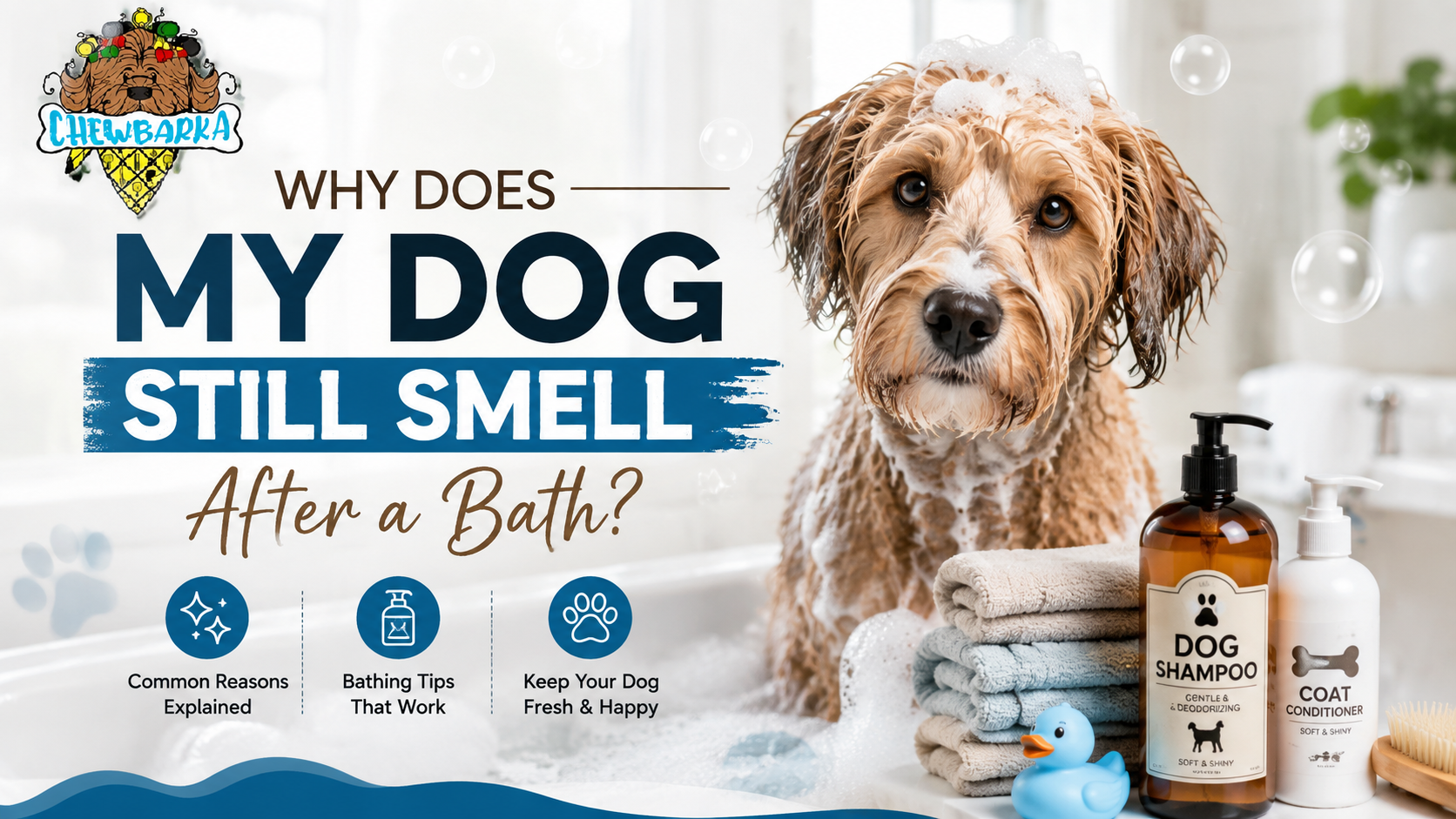
You just gave your dog a thorough bath — scrubbed, rinsed, dried — and within minutes, that all-too-familiar funky smell is back. If you have ever asked yourself, "Why does my dog stink even after a bath?" you are far from alone. It is one of the most common frustrations pet owners face, and the answer is rarely as simple as "you did not wash them well enough."
In this comprehensive guide, we will explore every reason why your dog smells bad after a bath, what is really happening beneath the surface, and exactly what you can do to finally win the battle against persistent dog odor. Whether your pup smells like a wet blanket, corn chips, or something far worse, we have got you covered.
Before diving into solutions, it helps to understand why dogs smell in the first place. Dogs do not sweat through their skin the way humans do. Instead, they have two types of glands that contribute to their natural scent.
Sebaceous glands are found across your dog's skin and produce an oily substance called sebum. Sebum keeps the skin moisturized and the coat waterproof, but it also carries a distinct odor. When your dog gets wet, water molecules displace the volatile organic compounds trapped in the coat and release them into the air — which is exactly why your dog smells so bad even after a bath once the fur gets damp.
Apocrine glands, located all over your dog's body (unlike in humans, where they are concentrated under the arms), secrete a substance that, on its own, does not smell much. However, when bacteria on the skin break it down, it produces that signature "doggy" odor. A bath can temporarily reduce the bacterial load, but the glands start producing again almost immediately.
The infamous "wet dog smell" is not actually caused by dirt. Microorganisms such as yeast and bacteria live naturally on your dog's skin and coat. When water activates these organisms and mixes with the oils in your dog's fur, it releases volatile compounds into the air. The result is that musty, sour odor that seems to follow your dog from room to room after bath time. The good news is that this particular smell typically fades as your dog dries completely. If you are relying on air drying alone, the slow evaporation process gives those bacteria more time to produce odor. Using a high-velocity pet dryer or thoroughly towel drying your dog can significantly cut down on this temporary stink.
If you are wondering "why does my dog stink even after a bath" and the smell does not go away once your dog is fully dry, a skin condition could be to blame. Bacterial dermatitis and yeast infections (especially caused by Malassezia) are extremely common in dogs and produce a strong, distinctive odor that no amount of regular shampooing will eliminate. Yeast infections tend to produce a musty, bread-like smell, while bacterial infections often have a sharper, more pungent odor. Dogs with skin folds — such as Bulldogs, Pugs, and Shar-Peis — are particularly prone to these infections because moisture and warmth get trapped between the folds, creating an ideal breeding ground for microorganisms.
Ear infections are one of the sneakiest sources of persistent dog odor. Many pet owners assume the smell is coming from the coat, when in reality it is emanating from infected ears. Dogs with floppy ears — Basset Hounds, Cocker Spaniels, Labrador Retrievers — are especially susceptible because the ear flap traps moisture and limits airflow. Ear infections caused by yeast or bacteria produce a distinctly foul, almost sickly-sweet smell. If your dog is also shaking their head, scratching at their ears, or showing redness and discharge, an ear infection is very likely the source of the post-bath odor.
Every dog has two small anal glands (also called anal sacs) located on either side of the anus. These glands produce a strong-smelling, oily secretion that is normally expressed during bowel movements. However, when the glands become impacted, infected, or fail to empty properly, they can produce a persistent fishy or metallic smell that clings to your dog — and that no bath can wash away. If your dog is scooting across the floor, licking their rear end excessively, or if you notice a fishy smell that seems to come and go, anal gland problems are a likely cause.
Sometimes the source of the smell is not the coat at all — it is your dog's mouth. Periodontal disease, tooth decay, and oral infections can produce breath so foul that it seems to permeate your dog's entire presence. When your dog pants, licks their fur, or sleeps near you, that bad breath transfers everywhere. By the age of three, the majority of dogs show some signs of dental disease, making this a far more common cause of persistent odor than many owners realize.
What goes into your dog comes out in more ways than one. A poor-quality diet, food allergies, or digestive issues can all contribute to body odor. Dogs with food sensitivities often develop skin inflammation, excessive oil production, and gas — all of which add to the smell. Low-quality commercial dog foods that rely heavily on fillers, artificial ingredients, and by-products can contribute to poor coat condition and increased body odor. Switching to a higher-quality, protein-rich diet with omega fatty acids can make a noticeable difference in how your dog smells.
Allergies are a major — and often overlooked — reason why dogs smell bad after a bath. Environmental allergens such as pollen, dust mites, and mold can trigger skin inflammation and secondary infections that produce odor. Similarly, food allergies can cause chronic skin issues. When a dog's skin is inflamed and irritated from allergies, the body produces more sebum as a protective response. This excess oil creates a breeding ground for yeast and bacteria, leading to that lingering stink that survives bath after bath.
Not all dog shampoos are created equal. Human shampoos, heavily fragranced products, or harsh detergent-based formulas can strip the natural oils from your dog's skin, causing the sebaceous glands to go into overdrive and produce even more oil — and more smell. Additionally, if you are not rinsing thoroughly enough, shampoo residue can build up in the coat and become a magnet for dirt, bacteria, and odor. Always use a pH-balanced, dog-specific shampoo and make sure you rinse until the water runs completely clear.
For dogs with thick double coats — such as Huskies, Golden Retrievers, and German Shepherds — a casual bath often does not penetrate all the way down to the skin. If the water and shampoo only reach the outer guard hairs, the undercoat remains dirty and continues to harbor bacteria and oils that produce odor. Proper bathing technique for thick-coated breeds involves thoroughly soaking the coat to the skin, working shampoo into the undercoat with your fingers, and rinsing multiple times to ensure all product and debris are washed away.
Choosing the right shampoo is half the battle. Look for deodorizing shampoos with natural ingredients like baking soda, oatmeal, or enzymatic formulas that neutralize odor at the source rather than simply masking it with fragrance.
Recommended Products on Amazon:
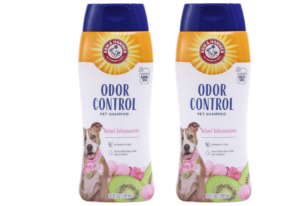
1. Arm & Hammer Super Deodorizing Dog Shampoo — This shampoo uses baking soda to neutralize stubborn dog odors at the source. It is tearless, pH-balanced, and safe for puppies and adult dogs. A top-rated pick for owners dealing with persistent smell. Buy on Amazon
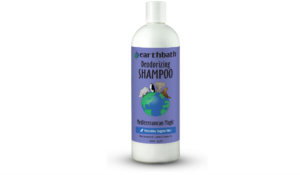
2. Earthbath Mediterranean Magic Deodorizing Shampoo — A soap-free, pH-balanced formula blended with organic aloe vera and rosemary oil. It cleans deeply and tackles even the strongest doggy odors while leaving the coat soft and plush. Buy on Amazon
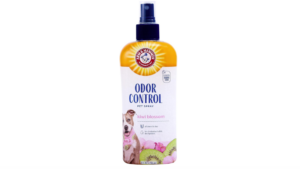
3. Arm & Hammer Super Deodorizing Dog Spray — Perfect for freshening up your dog's coat between baths. This baking soda-powered spray neutralizes odors without rinsing and works on both wet and dry coats. Buy on Amazon
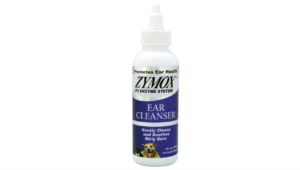
4. Zymox Ear Cleanser with Bio-Active Enzymes — If ear infections are contributing to your dog's post-bath odor, this enzymatic cleaner is veterinarian-recommended and gentle enough for weekly use. It cleans without harsh chemicals and keeps ears fresh. Buy on Amazon
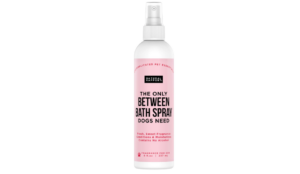
5. Natural Rapport Dog Deodorant Spray — A 3-in-1 formula that deodorizes, moisturizes, and conditions between baths. Made with naturally derived ingredients and free from alcohol, parabens, and sulfates. Buy on Amazon
As we discussed, moisture is the primary trigger for wet dog smell. After bathing, towel dry your dog as much as possible and follow up with a blow dryer on a low or cool setting. Pay particular attention to the undercoat, behind the ears, and between the toes — these areas hold moisture the longest and are prime spots for bacterial and yeast growth.
Make ear cleaning a part of your regular grooming routine, especially if your dog has floppy ears. Use a veterinarian-approved ear cleaning solution and gently wipe the visible parts of the ear canal with cotton balls. Never insert cotton swabs deep into the ear canal. If you notice a persistent odor, discharge, or your dog seems to be in pain, schedule a vet appointment — ear infections require medical treatment, not just cleaning.
Brush your dog's teeth several times a week using a dog-specific toothpaste. Dental chews, water additives, and regular professional dental cleanings from your veterinarian can all help keep oral bacteria under control and prevent the foul breath that contributes to overall body odor.
Feed your dog a high-quality, balanced diet that supports skin and coat health. Look for foods with named meat sources, omega-3 and omega-6 fatty acids, and minimal fillers. If you suspect a food allergy, work with your veterinarian to try an elimination diet and identify the culprit.
If your dog smells bad after every bath despite your best efforts, it is time to consult your veterinarian. Persistent odor can be a symptom of underlying conditions such as seborrhea, hypothyroidism, Cushing's disease, or other hormonal imbalances that affect the skin and coat. A proper diagnosis and targeted treatment plan can make all the difference.
Why does my dog stink even after a bath?
If your dog stinks even after a bath, the most likely causes are skin infections (bacterial or yeast), ear infections, anal gland issues, or dental disease. A bath only addresses surface-level dirt and oil — it cannot treat infections or medical conditions that originate from within. If the smell persists once your dog is fully dry, schedule a check-up with your veterinarian.
Why does my dog smell so bad even after a bath?
An exceptionally strong post-bath odor usually points to an underlying issue. Yeast overgrowth on the skin produces a distinctive musty or bread-like smell that shampoo alone cannot eliminate. Allergies, hormonal imbalances, and poor diet can also amplify body odor. Additionally, using the wrong shampoo or not rinsing thoroughly can leave residue that attracts more bacteria and worsens the smell.
How often should I bathe my dog to control odor?
Most dogs do well with a bath every four to six weeks, though dogs that spend a lot of time outdoors, have oily coats, or suffer from skin conditions may benefit from more frequent bathing. Over-bathing can actually make odor worse by stripping the skin of natural oils and triggering excess sebum production. Between baths, use a deodorizing spray to keep things fresh.
Can certain dog breeds smell worse than others?
Yes. Breeds with oily coats (like Labrador Retrievers and Basset Hounds), heavy skin folds (like Bulldogs and Shar-Peis), and floppy ears (like Cocker Spaniels) tend to be more prone to persistent odor. These physical traits create environments where moisture, oil, and bacteria accumulate more easily. Extra grooming attention is essential for these breeds.
Does diet really affect how my dog smells?
Absolutely. A diet rich in omega fatty acids and high-quality protein supports healthy skin and coat, which directly reduces body odor. On the other hand, low-quality foods with excessive fillers, artificial additives, and common allergens like corn and soy can lead to skin inflammation, excessive oil production, and a smellier dog overall.
Sometimes, no matter how many products you try or how carefully you bathe your dog at home, that stubborn odor just will not budge. That is when professional grooming becomes essential. A skilled groomer has the tools, products, and expertise to address issues like impacted undercoats, hidden skin irritations, and areas you might miss during a DIY bath. For pet parents in the Fort Worth area, services like a mobile dog wash in Fort Worth, TX bring the full grooming experience right to your doorstep — making professional-grade odor treatment as convenient as possible for both you and your furry friend.
If you have been asking "why does my dog still smell after a bath?" the answer is almost always that something deeper than surface dirt is at play. From natural skin oils and bacterial activity to medical conditions like ear infections, yeast overgrowth, dental disease, and anal gland problems, there are many reasons why your dog smells bad after a bath — and most of them cannot be solved with shampoo alone.
The key to a fresh-smelling dog is a comprehensive approach: use the right grooming products, maintain a regular cleaning routine that includes ears and teeth, feed a high-quality diet, and do not hesitate to visit your veterinarian when something seems off. With patience, the right tools, and a little detective work, you can finally say goodbye to that stubborn post-bath stink.